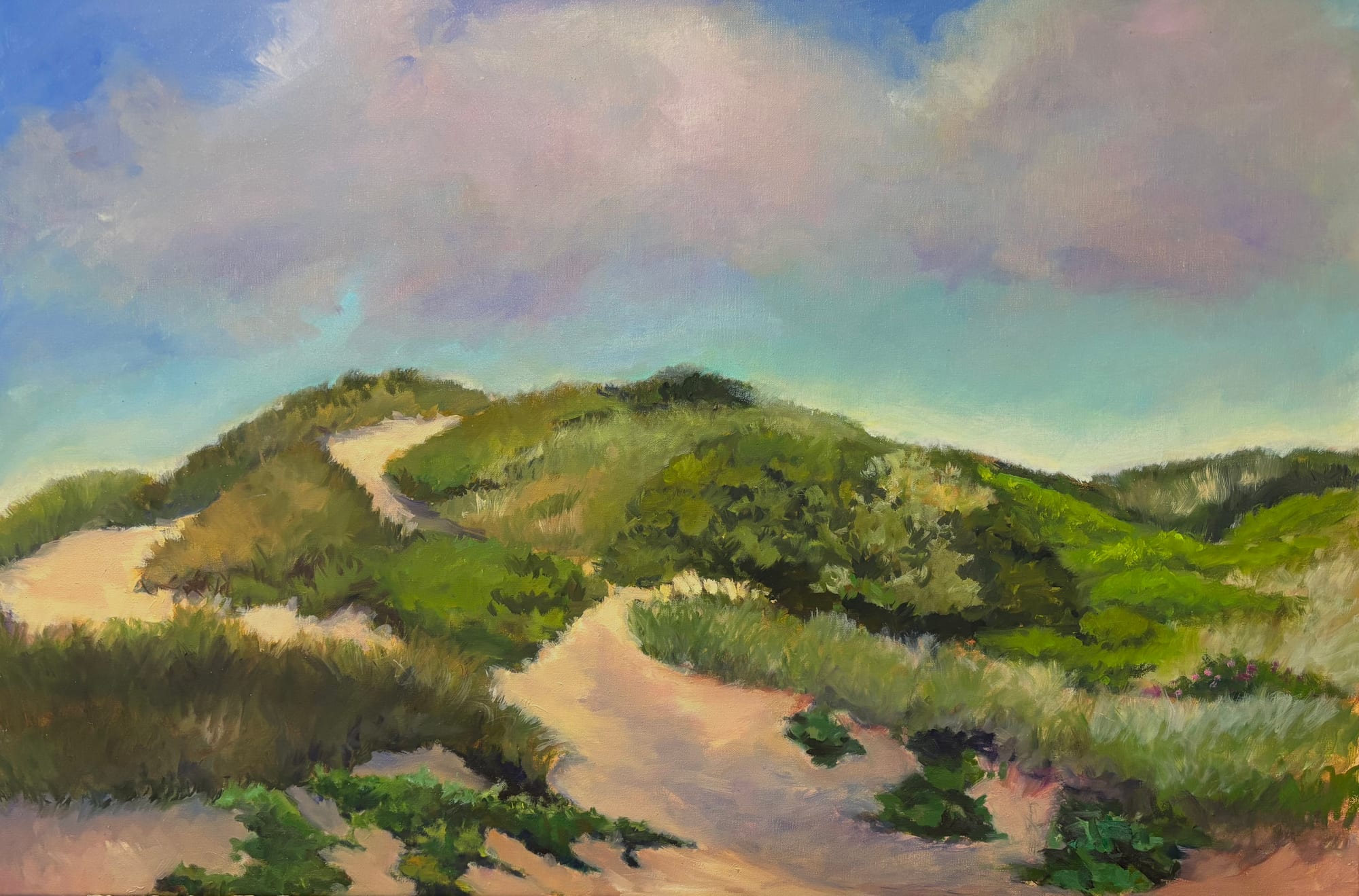
Small classes in oil and acrylic where everyone works on their own painting, so the person at the next easel might be on a photograph of their dog while you are on a marsh you cannot get right.
Lorraine Skelskey-Chapin teaches out of her studio in Southbury, Connecticut, and at a second location a few minutes away. The groups are small. You bring the subject you want to work on, and she works with you on what you are actually trying to do with it.
Every session is taught for beginner, intermediate and advanced painters together, so people who painted in college and stopped, people who have never held a brush, and painters already showing work sit in the same room. Her own course description promises demonstrations and critiques in every class.
The schedule
Each session below says when it meets, where, and who it is for. The one to one lessons and the outdoor sessions are arranged with her and around the weather, so they carry no day until you have spoken to her. Rates are quoted on the phone: ask about the session you have in mind.
Every session is taught in oil and acrylic.
Wednesday morning
- When
- Wednesdays, 9am to 12pm
- Where
- Her studio in Southbury, CT
- Format
- Group class
- Levels
- Beginner through advanced
- Class size
- Up to 12 painters
The long session. Three hours is enough time to get somewhere with a canvas rather than just start one.
Wednesday afternoon
- When
- Wednesdays, 1:30pm to 4pm
- Where
- The Stable Studios, Heritage Village, Southbury
- Format
- Group class
- Levels
- Beginner through advanced
- Class size
- Up to 12 painters
Held at The Stable Studios, the arts and crafts building inside Heritage Village.
Wednesday evening
- When
- Wednesdays, 6:30pm to 8:30pm
- Where
- Her studio in Southbury, CT
- Format
- Private or semi-private
- Levels
- Beginner through advanced
- Class size
- Class size on request
Private or semi-private. How many easels depends on who is coming, so ask first.
One-to-one, on your schedule
- When
- Scheduled around you
- Where
- Her studio in Southbury, CT
- Format
- One to one
- Levels
- Beginner through advanced
- Class size
- One to one
Scheduled around you rather than around a timetable.
Outdoors, when the weather allows
- When
- Runs periodically, weather permitting
- Where
- Outdoors, on location
- Format
- Group class
- Levels
- Intermediate and Advanced
Painting on location. These run periodically through the warmer months rather than to a fixed calendar.
What a class covers
Her own description of it: bring a work in progress or start something new, and learn painting technique, materials and how to apply them, composition, color theory and the effects of light, at every level. Each class includes demonstrations and critiques.
The stated objectives are to build a painting technically and aesthetically, to develop visual perception through space, color, surface, form and content, to understand the physical properties of the medium, to develop composition, and to be able to put ideas and judgments about the work into words. Both materials lists carry the objectives in full: oil and acrylic.
Her own class page puts it this way: the work is on the fundamentals of color mixing, brush technique and paint handling, then on painting light and shadow to get volume and depth, then on composition, style and special effects. You work from your own subject matter, with individual attention and constructive feedback.
Work is assessed by a group critique for each painting assignment, and each painting is evaluated individually.
Her own paintings
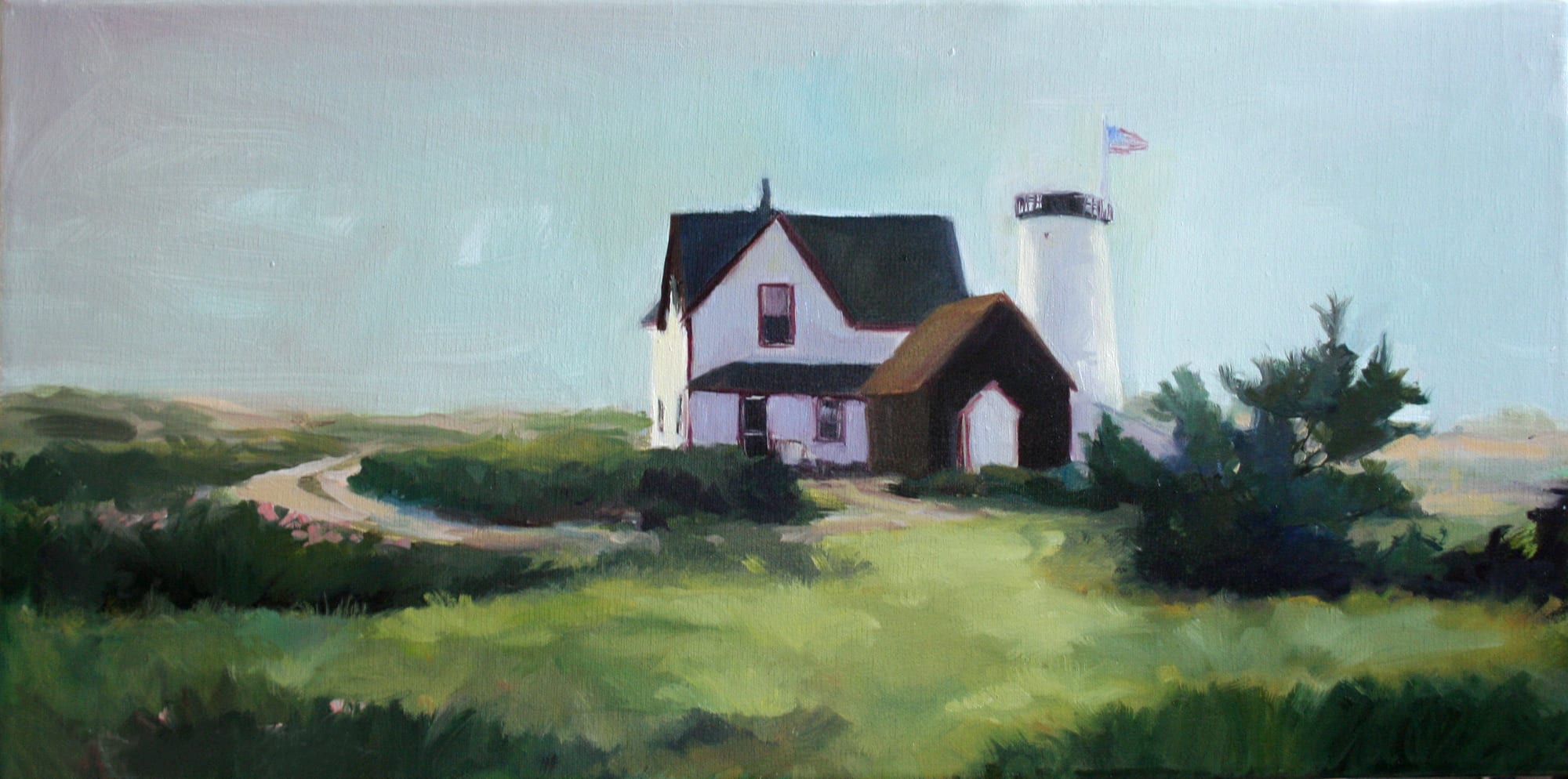
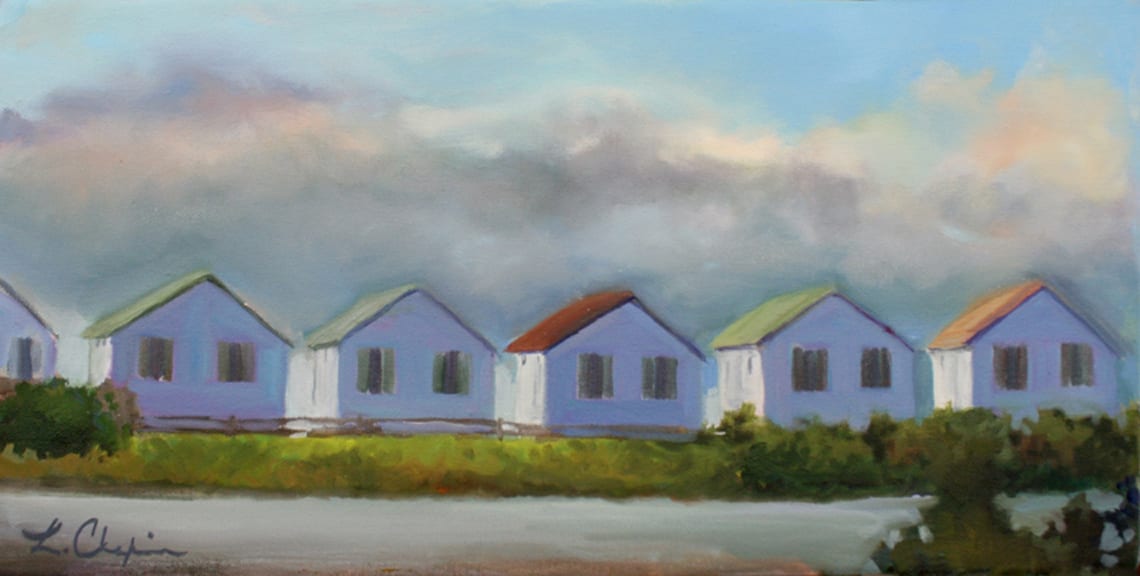
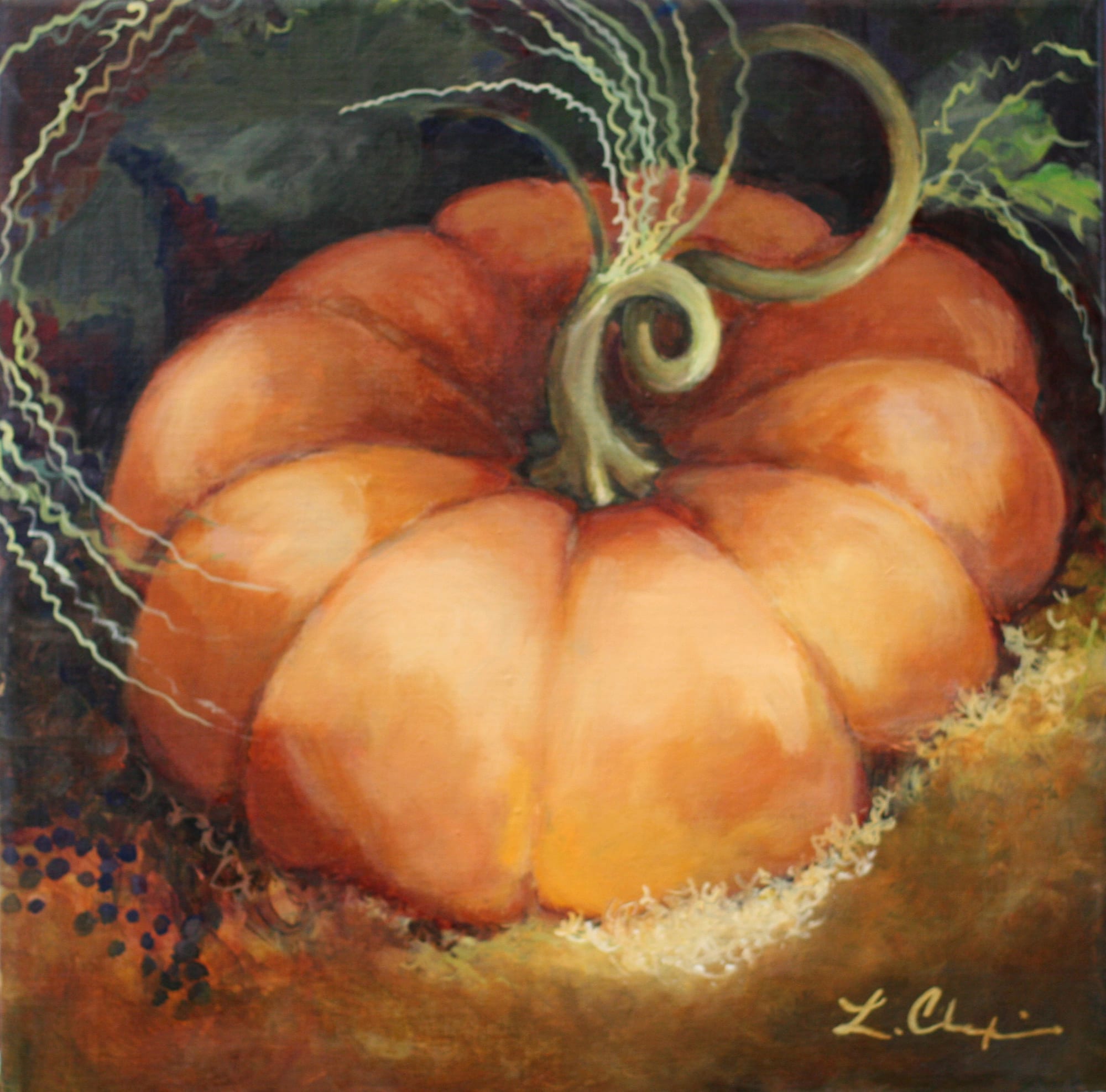
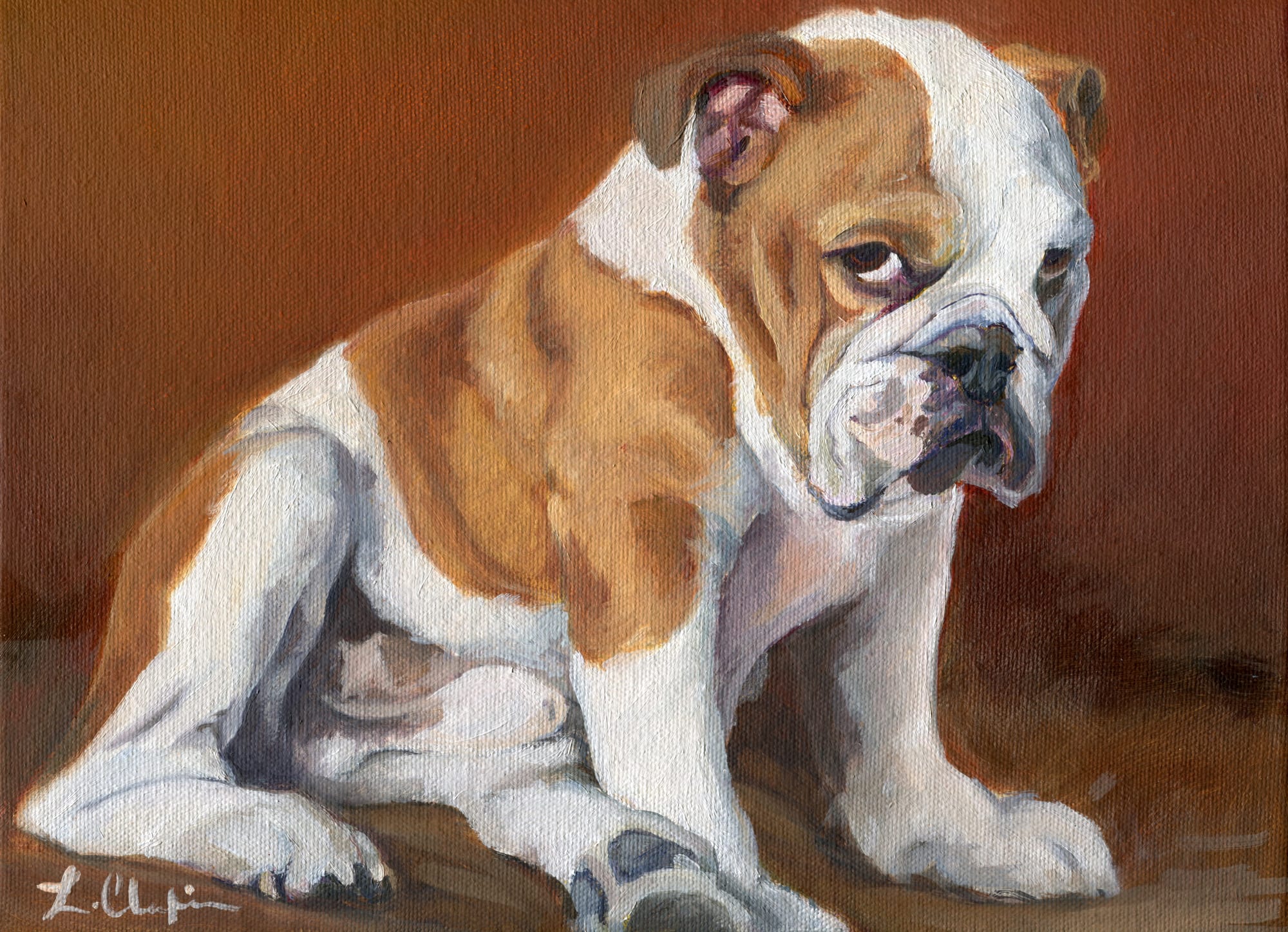
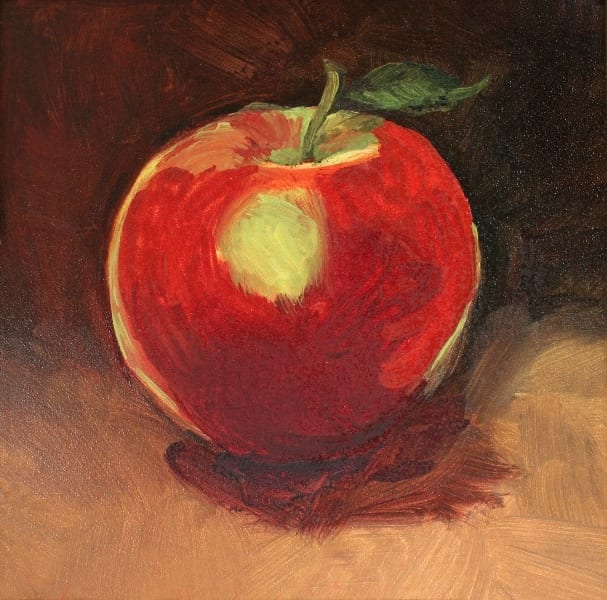
These are hers. She paints the way she teaches — outdoors, in front of the thing itself — so this is the work the sessions are heading toward. There are a good many more of them here.
If you have never painted
Beginner is one of the three levels every session is taught for, so a first-timer is inside what the class is set up for. You bring a work in progress or start something new, which on a first day means starting something new.
A mixed-level room helps the beginner most. Sitting next to somebody four years ahead of you is the quickest way to see what four years looks like.
If starting in a group is the part you do not want, she also teaches one to one.
What to buy
Speak to her before you spend anything. The oil list and the acrylic list say what to bring, and she will tell you which of it you actually need for the medium you are starting in.
Where they meet
Her studio in Southbury
The Wednesday morning and Wednesday evening sessions run at her own studio in Southbury. Her Google listing records a wheelchair accessible parking lot there. The address and directions are on the contact page, and she confirms them when you book.
The Stable Studios, Heritage Village
The Wednesday afternoon session runs at The Stable Studios, an arts and crafts facility in a converted stable inside Heritage Village, an active-adult 55+ community in Southbury. She teaches there; the building is not hers. If you do not live in Heritage Village, ask her about a place in that session before you plan around it. More about it, and about starting to paint later in life, is on the page for the Heritage Village class.
Private lessons and painting outdoors
Private lessons are scheduled around your week, which is the whole point of them. They suit someone coming back to painting after a long gap, someone working toward a show, and anyone whose week will not bend to a fixed slot.
Plein air sessions are painting outdoors, on location, in front of the thing itself. They run through the warmer months as the weather allows. This is her own main practice: she belongs to the Connecticut Plein Air Painters Society and took an Award of Merit at Paint the Town 2025, a juried plein air competition held by the Lyme Art Association in Old Lyme. If the term is new to you, start with what plein air painting means.
Questions
- Do I need any experience to start?
- No. Beginners paint on the first day, in the same sessions as everyone else. Each person works on their own piece at their own pace, so there is no group timeline to fall behind.
- What do I need to buy before my first class?
- Speak to Lorraine before you buy anything. She will tell you what to get for the medium you are starting in and what you can skip, so you do not come home with a bag of things you will never open.
- How much does a class cost?
- Ask about current rates. Say which session you are asking about and she will give you the figure on the phone.
- Are the classes for adults?
- They run as adult classes. One session meets inside an active-adult community; ask Lorraine about a place in that one. If you are asking on behalf of a teenager, call and ask her.
- What happens if I miss a week?
- Tell her. She has not set down a make-up policy in writing, so ask about the week you are going to miss and she will work it out with you.
- Can I come once to see whether I like it?
- Ask when you call. Whether a single visit works depends on the session and how full it is that week, so she will answer for the one you are asking about.
- Do I have to paint the same thing as everyone else?
- No. You bring your own subject: a photograph, a still life, a canvas you started at home and stalled on. Working with people at every level on their own subject matter is how she teaches.
- Should I start in oil or acrylic?
- Both are taught in every session. Acrylic dries quickly and cleans up with water. Oil stays workable for hours and moves under the brush. If you have no instinct either way, say so on the phone and she will point you at one.
How to book
Call and say which session you are asking about and whether you have painted before. That takes about two minutes and it is most of the conversation. If she does not pick up, leave a number and a good time to reach you. If you would rather write first, use the contact page.